

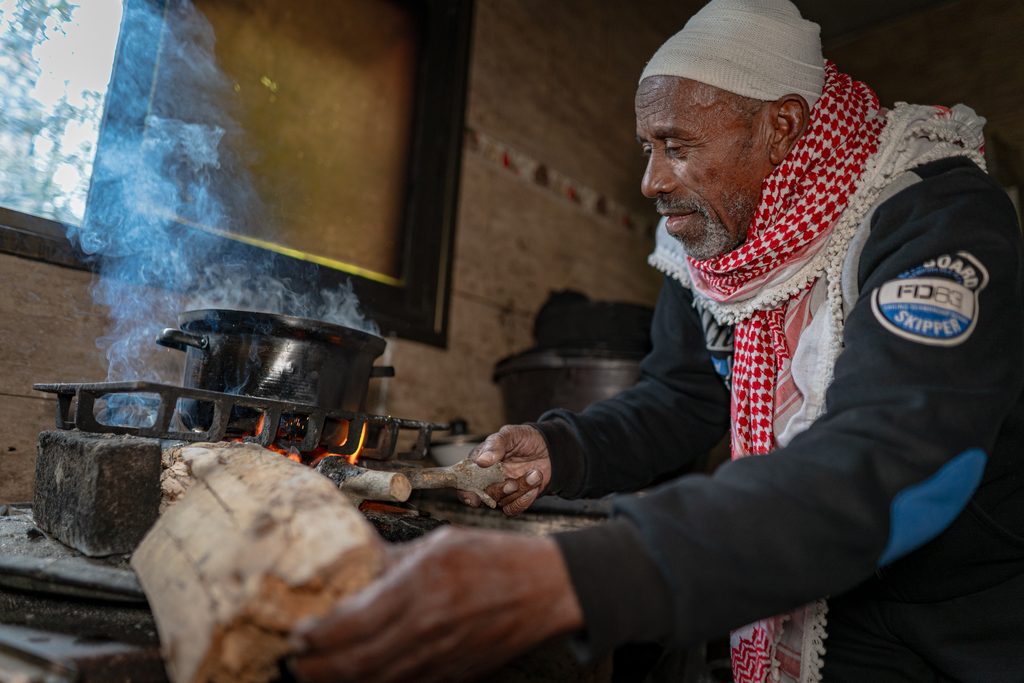
© Jaber Badwan | International Health Partners (IHP), Gaza
Integral Members met online in September to learn from one another’s approaches to obtaining informed consent when gathering communications material. Hannah Moeda, National Engagement Manager at Baptist World Aid Australia and Rich Insley, Communications Manager at International Health Partners shared both the challenges they have faced and solutions they have developed in order to strengthen their approach.
“We began to realise there were some gaps in how informed consent was gathered that we needed to address.” Rich told us. “We have now put a process in place where there are eyes on every consent form. We have regular discussions with Partner staff where we can address issues and improve the compliance of the content we receive.”
Hannah continued: “Power imbalances are often inherent simply in our presence… Some participants may feel they cannot refuse to tell their story because they fear it might affect their access to services or support. We must consider how to put people at ease and allow them to tell their own story in the most authentic way possible.”
We asked the participants on the call to tell us how sharing learning in this session added value to their work:
“As with many other aspects of humanitarian work, the conversation around informed consent is always evolving. Hearing about best practices, ideals, and practical applications from other professionals doing very similar work to ours gave me a long list of excellent strategies to start implementing. This will help support our goal to portray every participant with dignity.”
Naomi Bula, Institutional Communications Specialist, Integral Member World Renew
“Informed consent is a very important and integral part of our work, but it can also be challenging and sensitive. It is not only about asking for permission, but also about making sure that people feel safe, respected, and genuinely free to decide whether and how they want to share their story. That is why having the opportunity to talk about informed consent and exchange experiences is so valuable. I was grateful to join this recent session with colleagues from other organisations, hear different perspectives, and take away new ideas and practical approaches that I can bring into my own work.”
Slavka Golis, Communications Specialist, Integral Member The Integra Foundation
“Fair consent is a topic we keep coming back to. Are our working methods still up-to-date and fair to our project participants? Regular discussions within Integral are an inspiring way to continue exploring the concept of fair consent. I left the workshop with many new ideas in mind. It was very valuable and insightful—thank you!”
Tamara Schmutz, Head of Marketing, Integral Member ena!
When gathering communications material, informed consent is a voluntary decision to participate, made by someone who has been given sufficient information and opportunity to understand, ask questions, and make an informed choice. Providing opportunities for Members to share learning and best practice with one another is part of Integral’s commitment to quality and one of the ways Integral adds value to our Members in their work.
You cna read more about Informed Consent in the Integral Storyteller’s Guide